 https://canadianmasonryservices.com/wp-content/uploads/2018/03/DSCN3623.jpg 2448 3264 stephen http://canadianmasonryservices.com/wp-content/uploads/2018/03/Untitled-13-300x136.jpg stephen2026-04-06 13:21:242026-04-06 13:30:44Parging Foundations in Ottawa: What Homeowners Need to Know
Parging
Parging – Foundation Protection, Restoration & Finishing
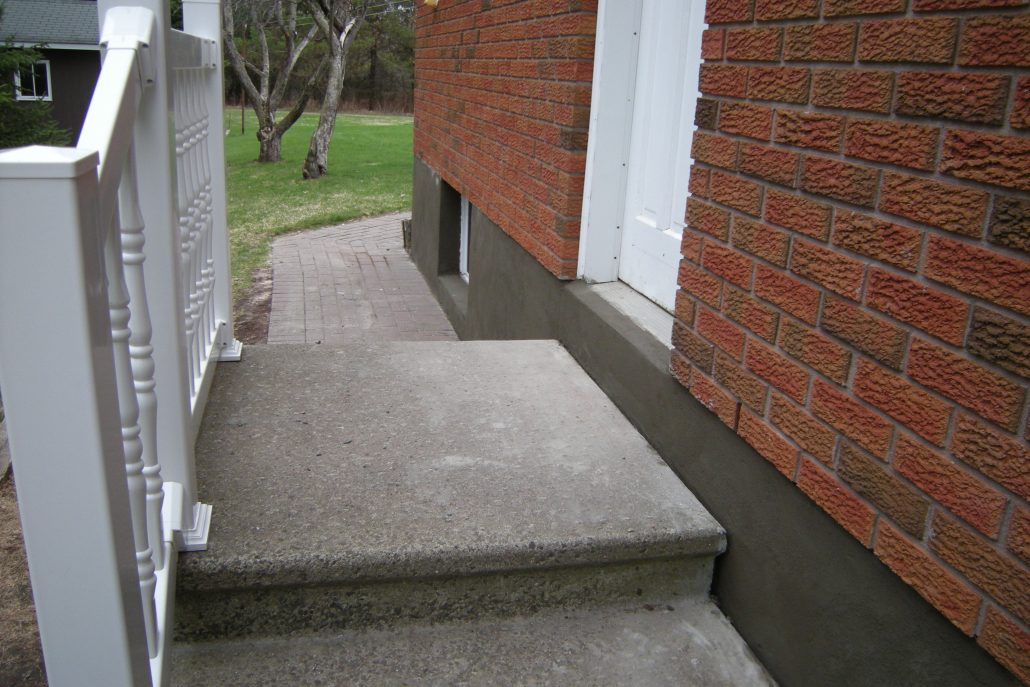
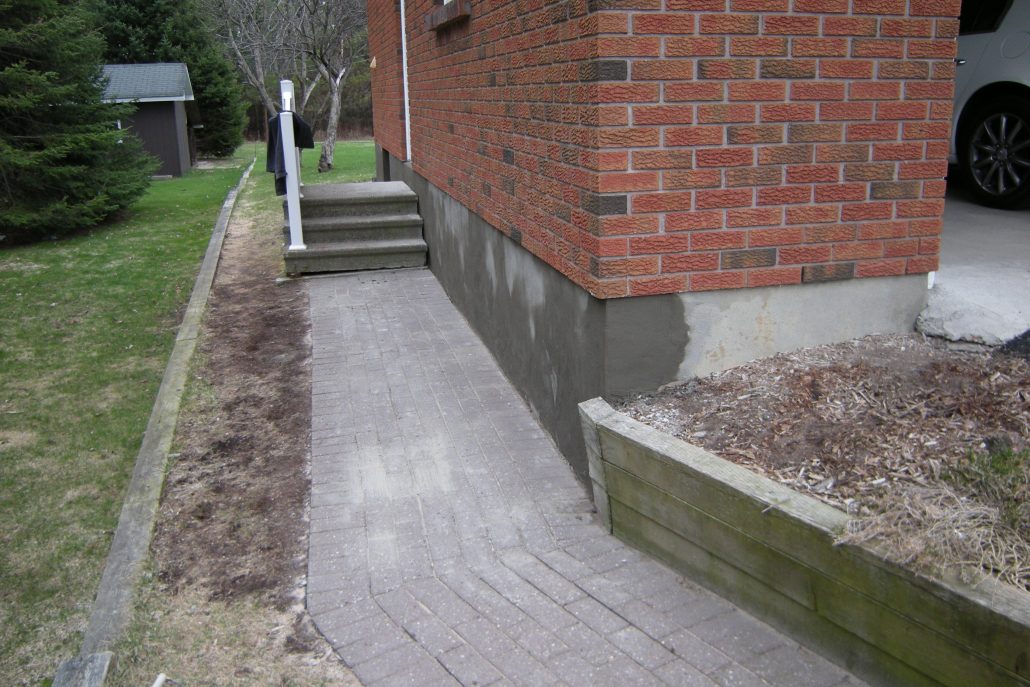
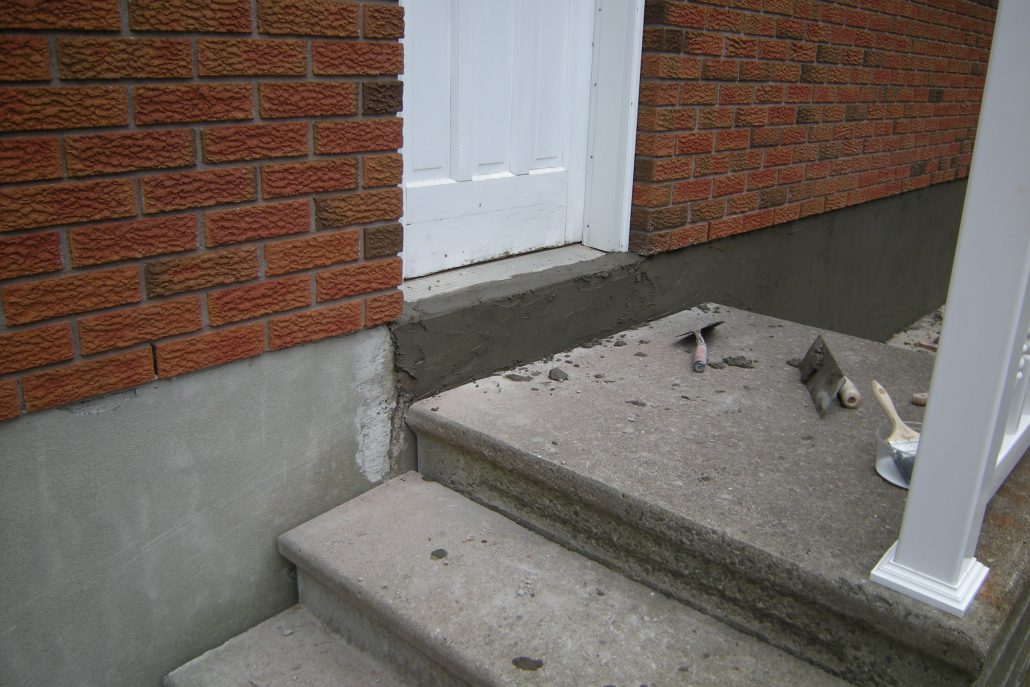
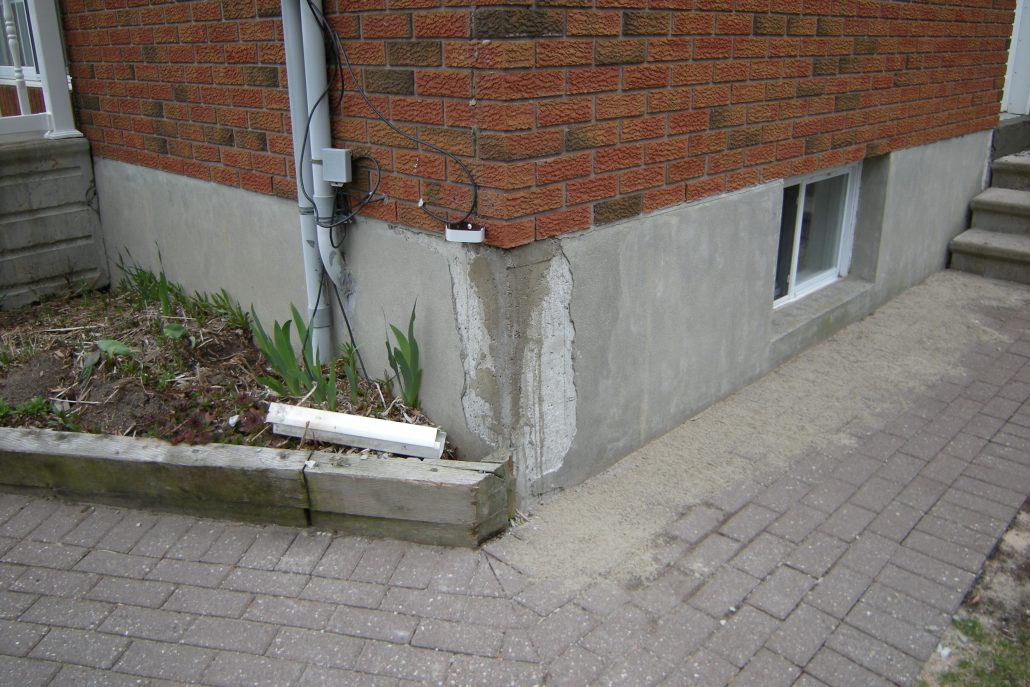
At Canadian Masonry Services, we provide professional parging services for both interior and exterior foundation walls, with solutions tailored to the age, condition, and construction method of the structure.
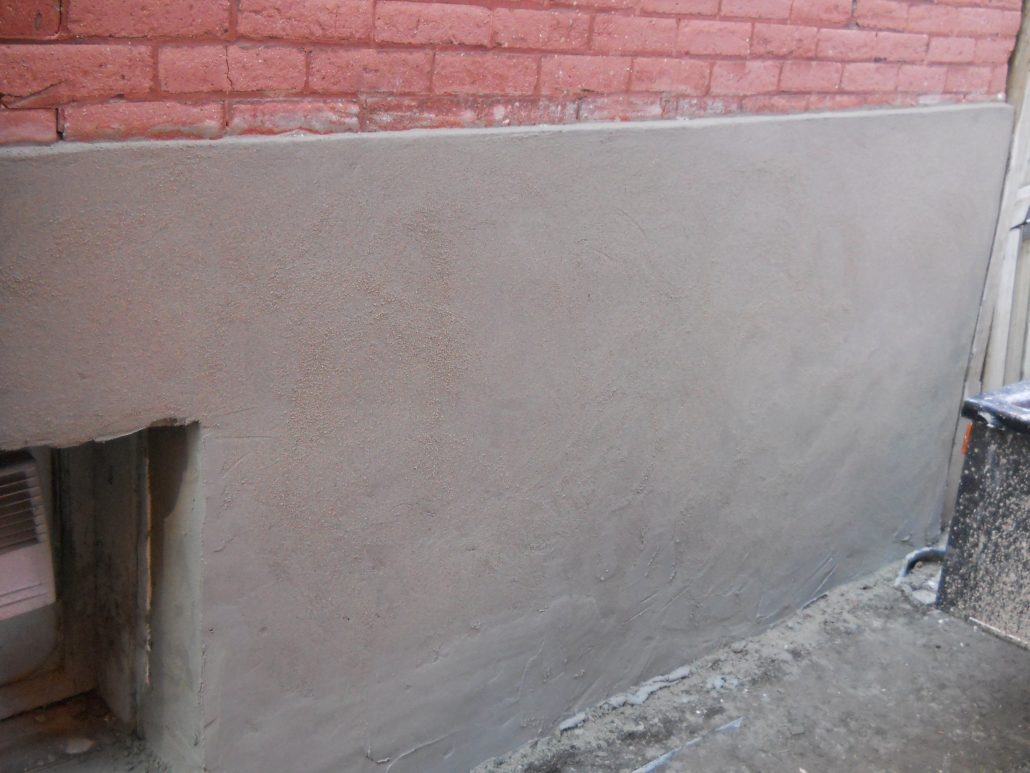
Parging is a specially prepared Portland cement-based coating with performance additives, applied to masonry and concrete surfaces to create a clean, durable, and visually appealing finish.
A long-lasting parging system is only as good as the preparation, reinforcement, bonding, and curing methods behind it.
That is where our work stands apart.
Modern Poured Concrete & ICF Foundations
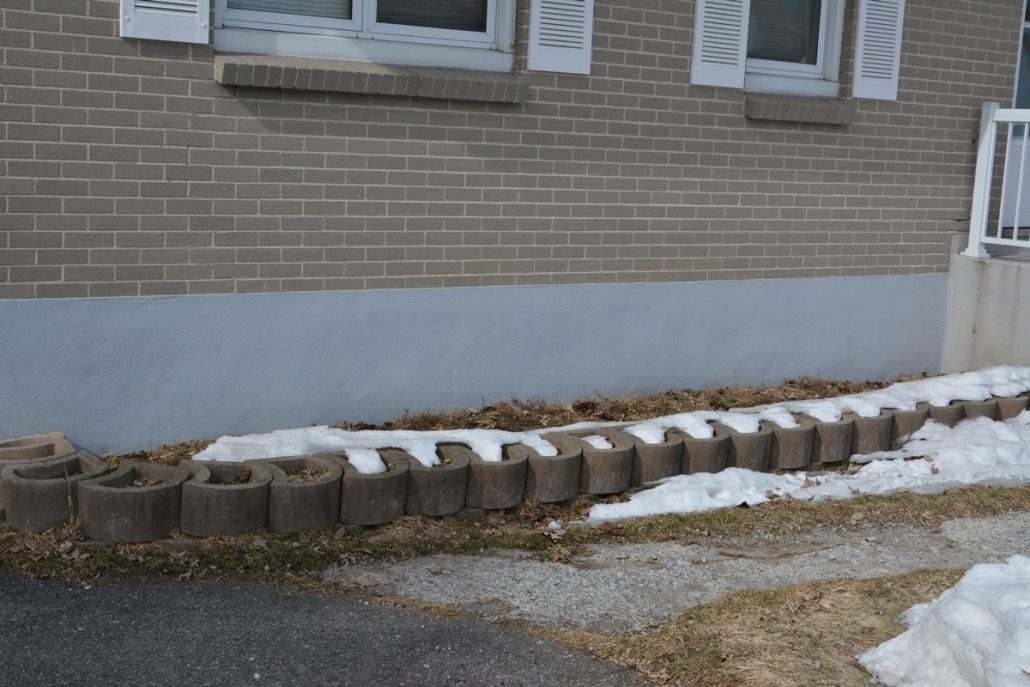
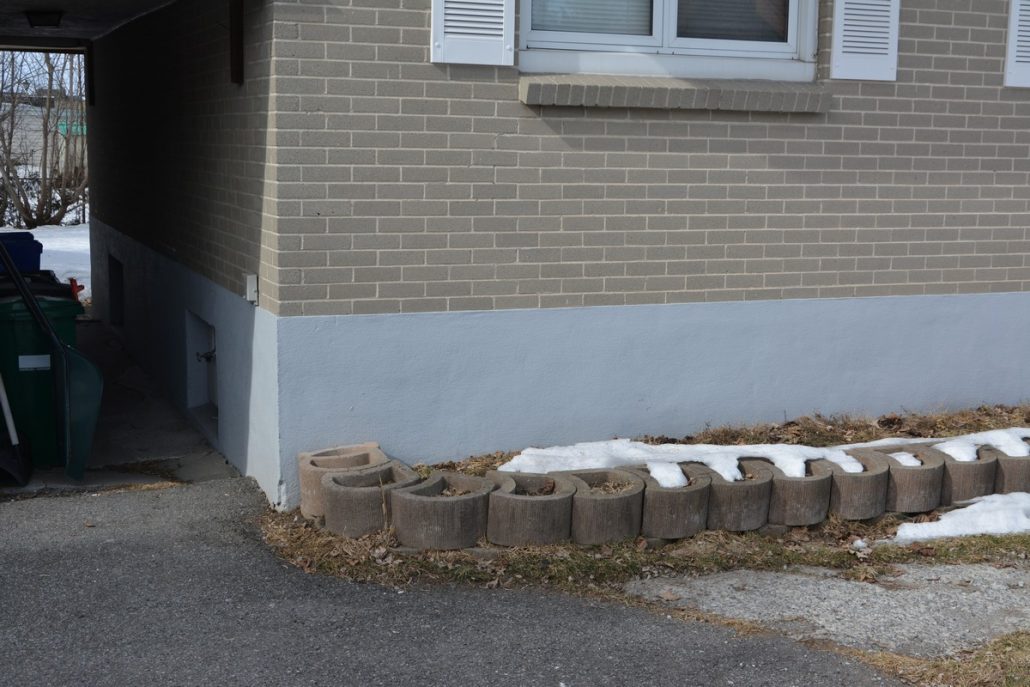
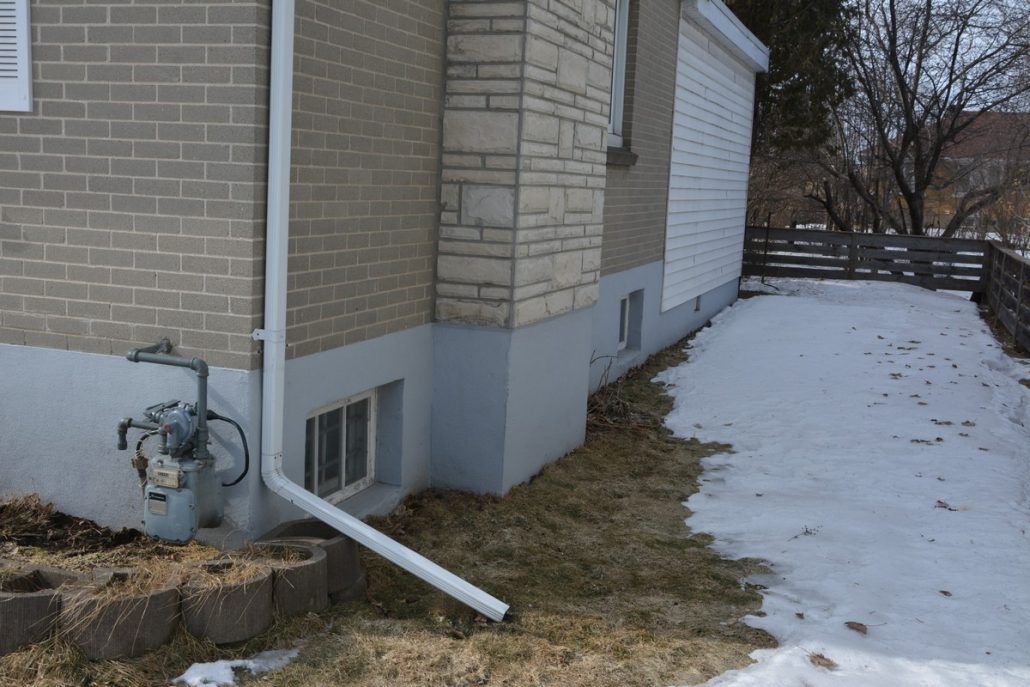
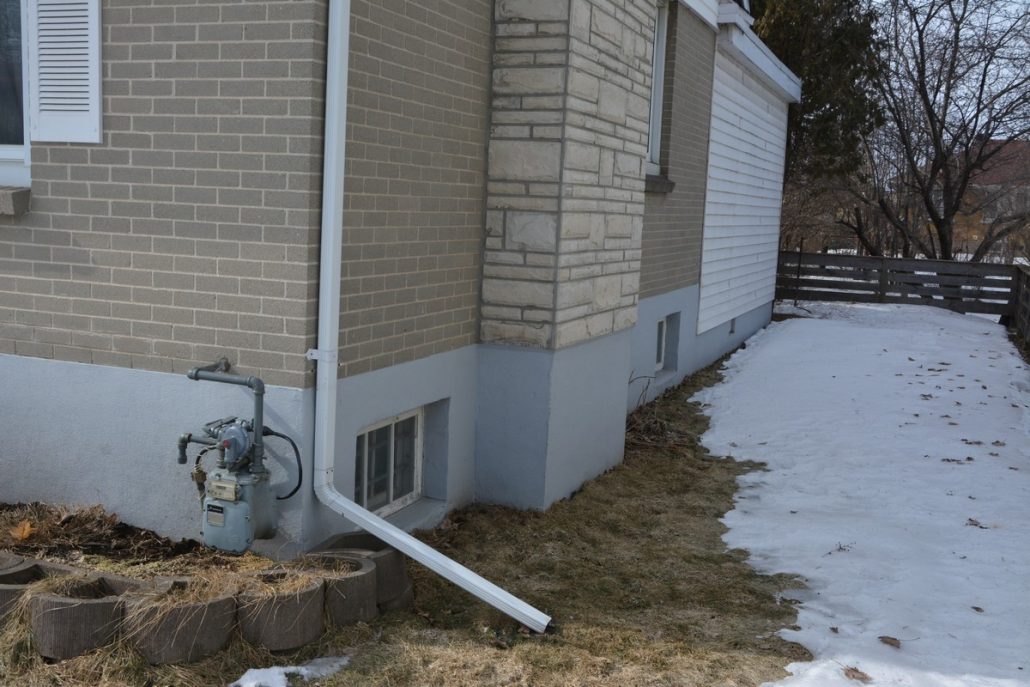
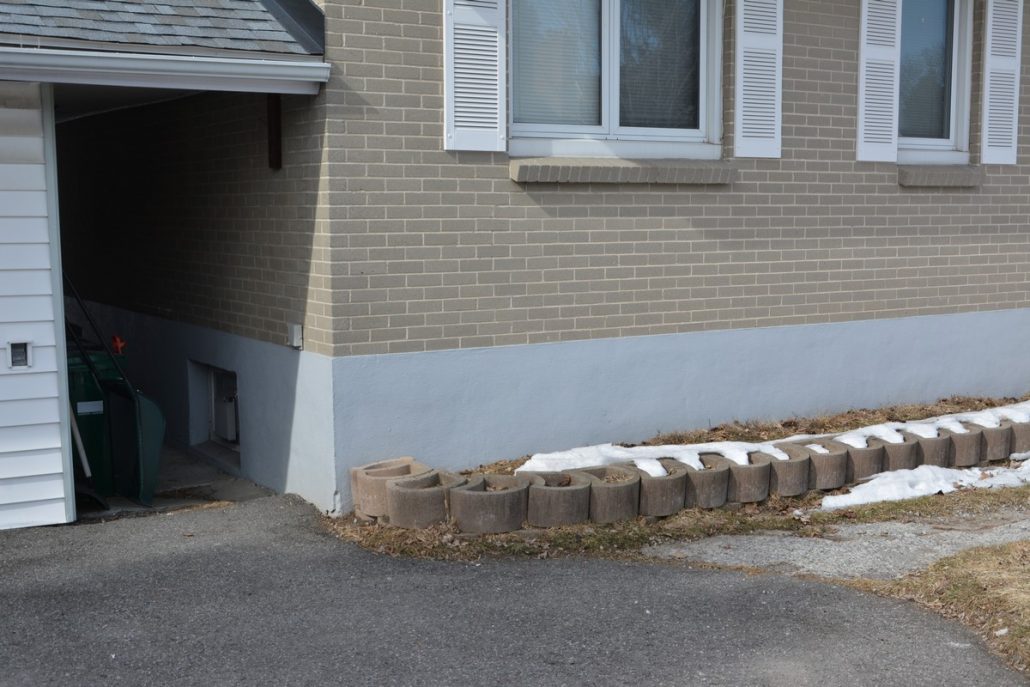
On a modern poured concrete foundation, parging is primarily an aesthetic finish. Let’s be honest — above grade, its main purpose is to provide a smooth, clean, and visually pleasing appearance to the exposed portion of the wall.
It helps conceal surface imperfections, form marks, and minor blemishes while significantly improving curb appeal.
With the advent of ICF (Insulated Concrete Form) foundations, many modern homes now feature exposed foam-clad foundation walls above grade.
These surfaces cannot accept a direct parging application without proper preparation and reinforcement.
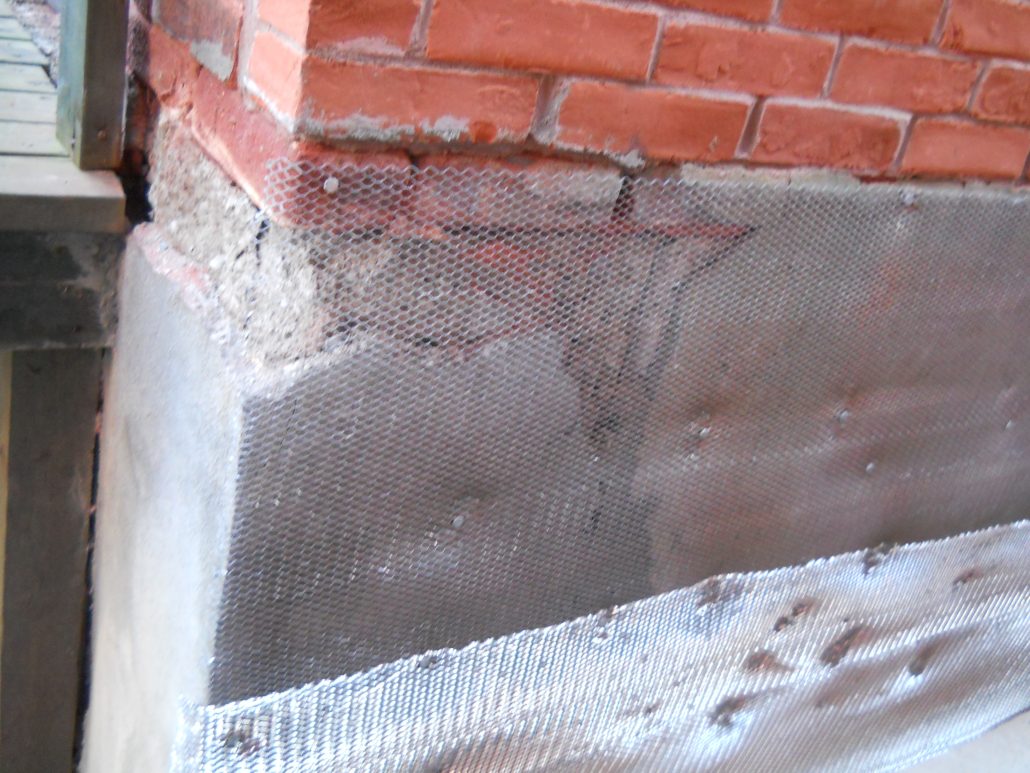
For ICF foundations, Canadian Masonry Services installs galvanized diamond lath mesh or fiberglass reinforcing mesh, mechanically secured using stainless steel screws and washers where required.
We specifically use stainless steel fasteners and washers because long-term corrosion resistance is critical in exterior cementitious assemblies.
Standard steel fasteners and washers may appear satisfactory at the time of installation and can often perform acceptably for the first few years. However, over time, oxidation can occur.
As metal fasteners corrode, they expand. This expansion places pressure on the surrounding cementitious coating, which can lead to cracking, delamination, and pathways for moisture penetration.
Once moisture enters the system, freeze–thaw cycling can accelerate deterioration.
This is often when failures begin to appear — well after the original contractor has left the site.
By using stainless steel components, we significantly reduce the risk of corrosion-related movement and help protect the long-term integrity of the parging system.
This method carries a higher material cost, but we consider it an essential part of delivering a durable, long-lasting finish.
This reinforcement system creates a stable mechanical substrate that allows the cementitious parging coat to properly key into the mesh and achieve a durable bond.
Older Stone & Rubble Foundations
In many older areas of Ottawa, original rubble stone, fieldstone, and early masonry foundations can still be found.
Historically, the parging on these walls served as a damp-proofing layer, helping reduce minor moisture penetration and air movement through the wall surface.
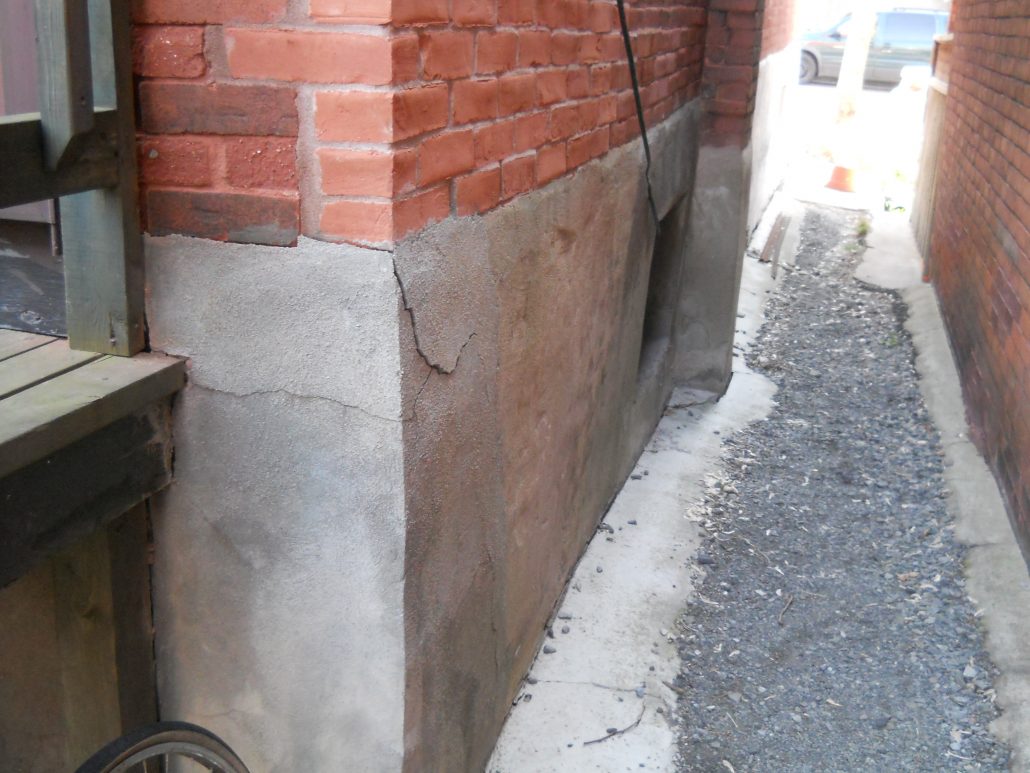
Over time, this original parging often deteriorates, delaminates, or falls away due to moisture exposure and freeze–thaw cycles.
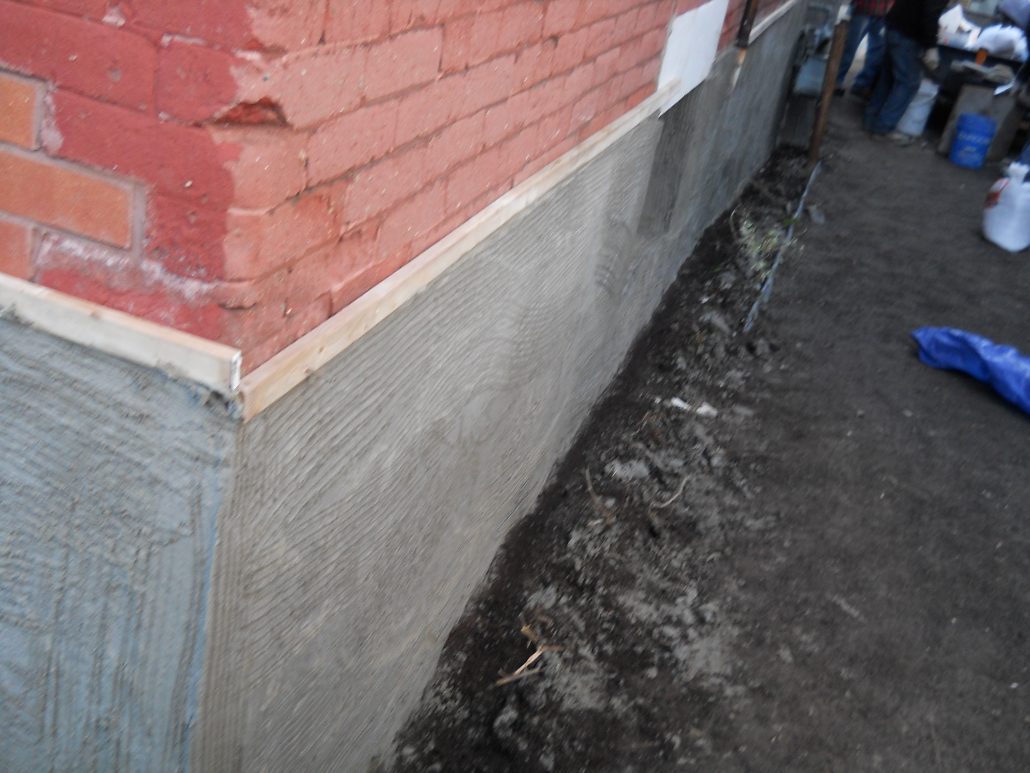
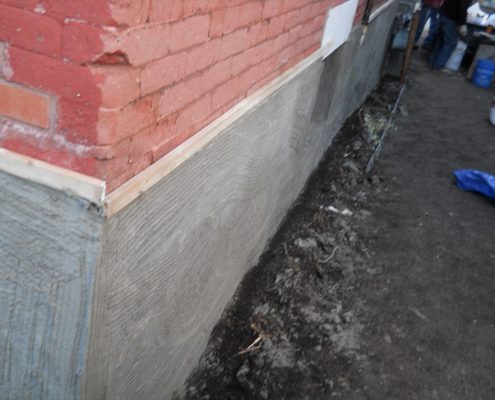
Before final parging can be applied, it is often necessary to reconstitute and rebuild the wall surface using a variety of cementitious repair materials to create a solid and stable base.
Where additional reinforcement is required, galvanized diamond lath mesh is mechanically fastened to the wall to improve structural integrity and long-term adhesion.
Our Preparation & Bonding Process
At Canadian Masonry Services, proper adhesion is one of the most important parts of a successful parging installation.
The substrate must first be clean, structurally sound, and free of loose or deteriorated material.
In traditional masonry practice, surfaces are often prepared to an SSD (Saturated Surface Dry) condition, which means the wall is properly conditioned with moisture while remaining free of standing water.
This method remains an important industry standard where direct cementitious bonding is required.
However, as part of our standard process, Canadian Masonry Services routinely goes a step further by using commercial-grade Weld-Crete bonding agent.
This professional bonding agent is specifically designed to bond new Portland cement plaster and cementitious materials to structurally sound concrete, brick, and masonry surfaces.
The bonding agent is brush-applied directly onto the prepared substrate, forming a continuous bonding film prior to the parging application.
Depending on the absorbency and condition of the wall, this process may be repeated in certain areas to ensure complete and uniform coverage.
While SSD preparation remains an accepted trade practice, we have found our Weld-Crete bonding system to provide exceptional long-term performance.
Our success rate with this method has been outstanding, and we experience virtually no callback issues related to adhesion failure.
This additional preparation step is labour-intensive and time-consuming, which is one of the reasons many contractors choose not to include it.
At Canadian Masonry Services, however, we consider it an essential part of delivering a premium and durable finish.
Crack Control & Reinforcement
All cementitious finishes are subject to normal building movement, thermal cycling, and seasonal expansion and contraction.
For this reason, proper reinforcement and substrate preparation are critical.
Where required, diamond lath mesh and reinforcement systems are installed to improve crack resistance and reduce the risk of delamination.
While minor hairline cracking may occur over time as part of normal building movement, our preparation and bonding methods are designed to significantly reduce premature cracking and adhesion failure.
Interior Parging
Parging can also be applied to interior walls, particularly in older homes with stone or masonry basement foundations.
This process helps:
- improve appearance
- cover deteriorated surfaces
- restore aged stone walls
- assist in surface moisture control
- create a cleaner finished basement wall
Interior Dust Control & Containment
For all interior parging applications, Canadian Masonry Services implements strict dust-control and containment measures to minimize dust propagation throughout the home.
Work areas are carefully cordoned off and isolated using protective barriers.
Special care is taken to ensure that HVAC systems, heating vents, and central air conditioning returns do not circulate dust throughout the home.
Where required, vents and returns within the work area are temporarily sealed.
Floors, furniture, and surrounding finishes are protected as required.
Proper Curing Matters
Proper curing conditions are critical to long-term performance.
Fresh parging must be protected from:
- rapid moisture loss
- direct sunlight
- freezing temperatures
- excessive wind
- premature drying
This is a critical step in reducing cracking and ensuring long-term durability.
Parging vs Waterproofing
Parging should not be considered a standalone waterproofing system.
For below-grade moisture control, parging is often used as a preparatory surface in conjunction with approved damp-proofing and waterproofing systems.
Why Our Process Matters
A durable finish starts with:
- proper substrate preparation
- mechanical reinforcement
- chemical bonding
- crack control
- proper curing
- expert application
At Canadian Masonry Services, we do not cut corners.
Our process is designed to deliver a finish that is both visually appealing and built to last in Canadian conditions.
Want to learn more about parging? Read our articles below
https://canadianmasonryservices.com/wp-content/uploads/2018/03/DSCN3623.jpg 2448 3264 stephen http://canadianmasonryservices.com/wp-content/uploads/2018/03/Untitled-13-300x136.jpg stephen2026-04-06 13:21:242026-04-06 13:30:44Parging Foundations in Ottawa: What Homeowners Need to Know